Electronic Waste Disposal: Everything You Should Know About Safe Recycling
E-waste disposal is a pressing issue that impacts both public health and the environment. As technology advances, the amount of discarded electronics continues to rise. Inadequate disposal practices result in dangerous chemicals infiltrating natural ecosystems. Grasping the significance of responsible e-waste recycling is fundamental. This discussion will explore effective ways to handle e-waste and highlight the critical steps consumers can take to guarantee their devices are disposed of safely and sustainably.
Understanding E-Waste: What It Is and Why It Matters
E-waste, or electronic waste, encompasses discarded electrical and electronic devices, including computers, smartphones, and televisions. The rapid advancement of technology has led to a surge in e-waste production, making it a critical environmental issue. Each year, millions of tons of e-waste are produced worldwide, frequently finding their way into landfills or being handled incorrectly. Such waste harbors valuable components, like gold, silver, and rare earth elements, that are suitable for recycling. Nevertheless, mismanagement of e-waste can result in the discharge of toxic materials into the surrounding environment. Gaining a clear understanding of e-waste is vital for encouraging proper disposal methods and recycling initiatives. Individuals, corporations, and governing bodies each have a part to play in reducing the effects of e-waste, highlighting the importance of education and decisive action. The responsible administration of e-waste not only safeguards natural resources but also advances sustainable development goals and lessens the strain on waste disposal sites.
The Environmental and Health Risks of Improper E-Waste Disposal
Improper disposal of electronic waste poses significant environmental and health risks that are often overlooked. Harmful chemicals such as lead, mercury, and cadmium are routinely discovered in e-waste and can infiltrate soil and water systems, degrading ecosystems and putting wildlife at risk. These toxic compounds have the potential to concentrate throughout the food chain, presenting grave dangers to human well-being.
Beyond environmental harm, contact with toxic e-waste substances can cause various health concerns, including neurological conditions, respiratory complications, and even cancerous conditions. Workers involved in unregulated recycling operations are particularly at risk, commonly missing protective equipment and appropriate instruction.
The overall accumulated effect of the improper disposal of e-waste goes beyond direct health risks, contributing to long-term environmental issues such as habitat degradation and biodiversity decline. As the use of electronic devices continues to grow, the importance of addressing these risks is becoming more vital for the health of humanity and the natural environment.
Best Practices for E-Waste Recycling
Proper e-waste recycling relies on effective sorting procedures, that make certain materials are categorized by their recyclability. Using certified recycling centers further improves the process, since these facilities comply with environmental standards and safety regulations. Together, these best practices contribute to a more sustainable approach to electronic waste management.
Effective Sorting Strategies
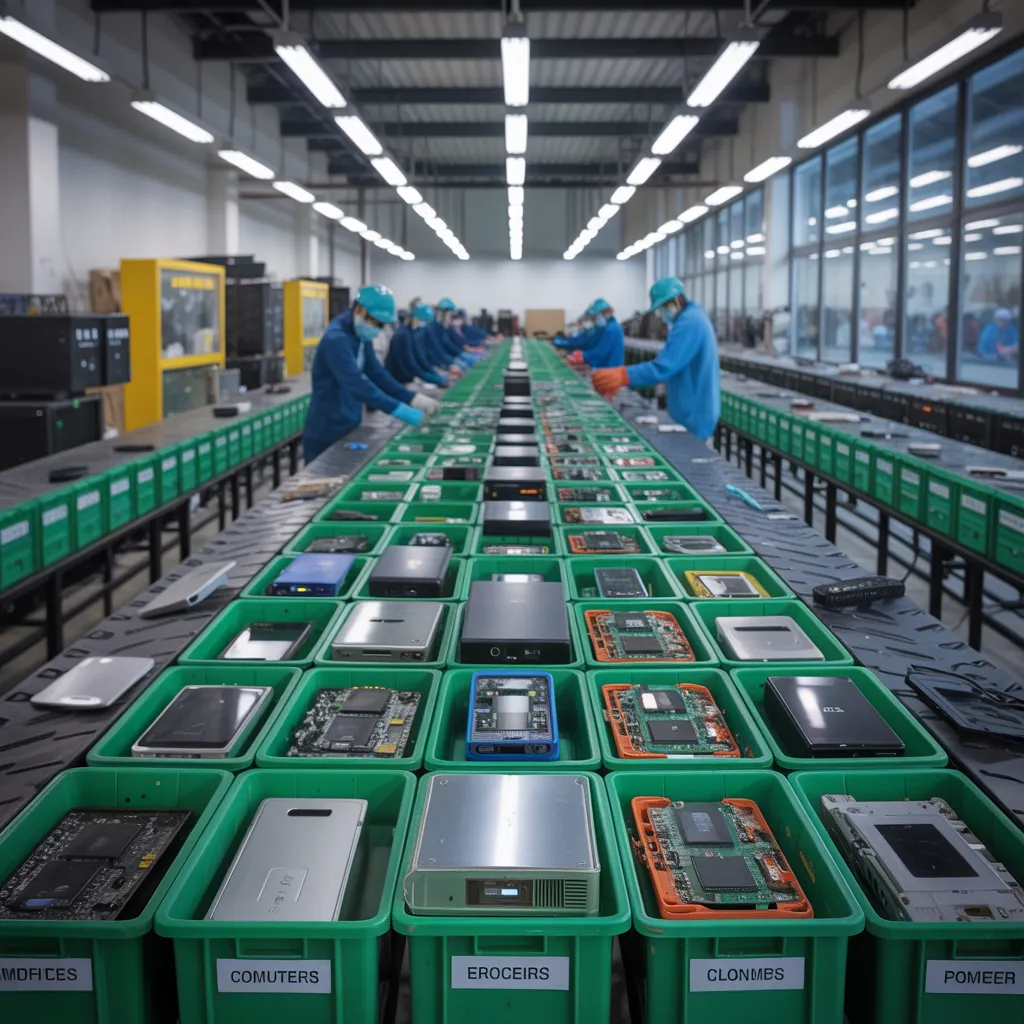
A large share of electronic waste can be effectively sorted to improve recycling outcomes and reduce ecological harm. Appropriate sorting practices consist of classifying e-waste into separate categories based on material composition, such as metals, plastics, and glass. This practice not only optimizes the recycling procedure but also guarantees that hazardous materials, like toxic elements such as lead and mercury, are handled safely. Additionally, organizing devices according to type—such as appliances, computers, and smartphones—enables specialized handling techniques tailored to each classification. Applying these Click here sorting techniques can significantly enhance recovery rates of recoverable materials, decrease landfill waste, and minimize the hazards linked to improper disposal. Ultimately, systematic sorting is critical to responsible electronic waste handling and responsible recycling practices.
Licensed Recycling Facilities
Organizing e-waste is merely the first step in a comprehensive recycling strategy. The subsequent phase involves using approved recycling plants, which follow strict standards for environmentally responsible processing. These facilities assure that dangerous substances, such as harmful heavy metals, are handled responsibly, minimizing the risk of ecological damage. Accreditation typically includes guidelines established by organizations like R2 and e-Stewards certification bodies, which support sustainable recycling approaches. By selecting certified facilities, users can verify that their e-waste is recycled properly, with useful materials reclaimed and toxic components discarded responsibly. This not only advances green efforts but also promotes the recycling-based economy, underscoring the value of proper electronic waste management in our modern digital world.
How to Prepare Your Devices for Responsible Recycling
Getting electronic devices for responsible recycling entails several essential steps that provide data security and environmental safety. As a first step, users should secure important data and then carry out a factory reset on their devices to wipe personal information. This confirms that sensitive data is unable to be retrieved by unauthorized individuals. Next, it is essential to detach any batteries or accessories, as these elements may call for special handling.
Next, individuals should wipe down the devices to remove any personal identifiers, such as stickers or labels. As a final step, users should collect all required cables and original packaging, if available, to streamline the recycling process. By implementing these measures, the chance of data breaches is lowered, and the devices are set up for responsible recycling, thereby contributing to a more sustainable environment. Following these precautions encourages safe e-waste disposal practices.
How to Locate E-Waste Recycling Centers
Where can people find reliable e-waste disposal centers near them? One effective approach is to utilize web-based platforms created with this goal in mind. Sites including Earth911 and the e-Stewards Directory enable people to find local recycling facilities by providing their zip code. Additionally, many municipalities provide information on designated e-waste drop-off locations through their formal web pages or sanitation departments. Regional electronics shops commonly take part in waste reduction programs, organizing drop-off events or providing in-store collection. Civic groups and charitable organizations frequently conduct e-waste recycling drives from time to time, creating an easy opportunity for local inhabitants. Beyond that, reaching out to nearby eco-friendly organizations can yield valuable insights into local centers and recommended approaches. By exploring these avenues, individuals can ensure they responsibly dispose of their electronic waste while contributing to environmental sustainability.
In What Ways Can Consumers Support Sustainable E-Waste Practices?
Identifying trustworthy e-waste recycling centers represents only the initial step toward encouraging eco-friendly practices. People can proactively support proper e-waste management by raising their own awareness and that of others regarding the environmental risks of irresponsible disposal. Spreading awareness through social media networks, local discussion boards, or regional events can increase public understanding and inspire accountable conduct among fellow consumers.
Moreover, buyers can support businesses that focus on green initiatives, such as those providing collection initiatives or using eco-friendly materials. Collaborating with regional lawmakers to support laws designed to strengthening e-waste management efforts greatly amplifies sustainability campaigns.
Becoming part of or creating community groups focused on e-waste issues can magnify the demand for positive transformation. Additionally, consumers can participate in e-waste collection events, playing a hands-on role in the movement for responsible e-waste management. By following through on these measures, individuals play an essential role in building a foundation of environmental responsibility and sustainability concerning electronic waste.
Frequently Asked Questions
Which Types of Electronic Devices Count as E-Waste?
Electronic waste encompasses used electronic devices like computers, smartphones, televisions, printers, and appliances. These items commonly include toxic components, making careful recycling and proper disposal vital for the health of the environment and the public.
Is It Possible to Recycle E-Waste Using Standard Garbage Services?
Placing e-waste in conventional trash services is generally considered inadvisable. Many municipalities have specific regulations requiring e-waste to be disposed of at designated recycling centers to prevent environmental harm and guarantee proper handling of hazardous materials.
Are There Any Costs Involved With E-Waste Recycling?
That's correct, there can be costs involved in e-waste recycling. Several facilities apply costs for certain items or services, while certain local governments provide free programs. Individuals should research options to understand potential costs before recycling.
How Is Sensitive Data Securely Deleted From Devices Before Recycling?
Data is thoroughly erased from devices using specialized software that repeatedly overwrites existing data, guaranteeing full erasure. In addition, physical destruction of storage components can also be utilized to avoid data retrieval ahead of the recycling process.
What Occurs With E-Waste Once It Has Been Recycled?
Following the recycling process, e-waste undergoes processing and separation into valuable components like glass, metals, and plastics. These recovered resources are then redirected for creating new items, consequently lowering environmental damage and protecting natural resources.
Comments on “Best Electronics Recycling Services for Government Agencies”